To Buy Cleocin Online Visit Our Pharmacy ↓

How They Work: Action and Bacterial Coverage
Clindamycin acts by binding the bacterial 50S ribosomal subunit, blocking protein synthesis and slowing pathogen growth. Its spectrum favors anaerobes and many gram-positive cocci, including Streptococcus and Staphylococcus species; effectiveness varies by strain and local susceptibility patterns, so clinical context matters.
Topical formulations concentrate clindamycin at skin sites to reduce surface bacteria with minimal systemic absorption, while oral dosing reaches deeper tissues and bloodstream to treat widespread or severe infections. Prescribers weigh site, severity, and resistance risk when choosing route to maximize benefit and limit harm for patient safety overall.
| Oral | Topical |
|---|---|
| Systemic exposure | Local exposure |
When to Choose Oral Versus Topical Use
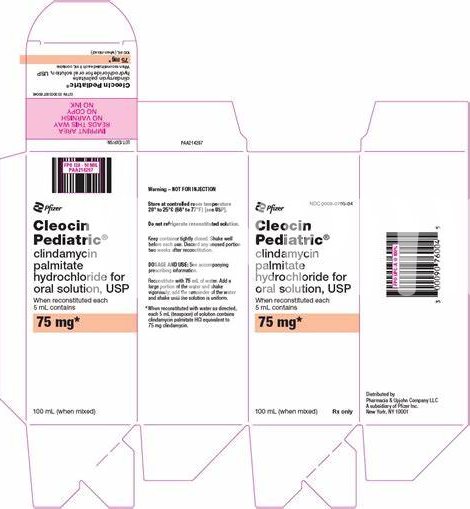
Choosing a treatment is often personal and clinical, blending symptoms with lifestyle. Oral therapy suits widespread or deep infections, systemic symptoms, and when rapid bacterial control is needed. Topical options work best for limited, superficial skin problems and patients wary of systemic drugs. The story of preference balances efficacy, safety, and convenience.
Cleocin (clindamycin) oral pills are indicated for cellulitis, serious skin infections, and some dental infections, but require attention to medical history. Topical clindamycin gels or lotions are common for acne and localized folliculitis, minimizing systemic exposure. Pregnancy, comorbidities, and recent antibiotic use influence the choice, as do culture results and allergy history.
Clinicians weigh duration, severity, and risk of C. difficile when prescribing systemic cleocin. Regular follow-up ensures response and detects adverse effects early.
Discuss expectations, side effects, and adherence; informed patients usually achieve better outcomes more quickly.
Absorption Differences: Systemic Exposure and Duration
Think of oral clindamycin as a traveling medicine: after swallowing, cleocin enters the bloodstream and circulates widely, reaching deep-seated infections but exposing the whole body to antibiotic effects. Peak concentrations occur within a few hours and dosing intervals determine how long effective levels persist, so systemic therapy works fast but sustains body-wide exposure that can affect gut flora.
Topical use concentrates the drug at the skin surface and pilosebaceous units, producing high local concentrations with minimal plasma levels and reduced systemic risk. Effects often depend on consistent application; formulations and damaged skin can increase absorption. Counsel patients about application area, avoid occlusion unless directed, and report severe irritation or signs of systemic reaction for reassessment.
Side Effect Profiles: Risks for Body Versus Skin

Taking oral clindamycin exposes the whole body: patients often notice nausea, metallic taste or mild stomach cramps, but the most serious concern is antibiotic‑associated colitis from C. difficile, which can be life‑threatening and requires prompt attention. Allergic reactions and liver enzyme changes are uncommon but possible, so baseline history and symptom vigilance are important.
Topical cleocin generally limits effects to the skin — irritation, peeling, dryness or contact dermatitis are most typical. Systemic absorption is minimal with short, localized use, but applying to large areas or broken skin increases systemic exposure risk.
Clinicians should explain warning signs (severe diarrhea, rash, jaundice), advise stopping therapy if severe reactions occur, and document allergies and concurrent medications. Carefully.
Antibiotic Resistance Concerns and Bacterial Susceptibility
Resistance emerges when antibiotics are overused; topical cleocin reduces systemic selection pressure but can still select resistant skin flora. Thoughtful prescribing limits needless exposure and preserves activity.
Oral therapy reaches deeper infections but creates broader ecological impact in gut and respiratory microbiomes, increasing risk of multidrug resistance. Culture and susceptibility testing guide whether oral therapy is necessary.
Educate patients to finish cleocin courses, report treatment failures, and avoid using leftover antibiotics; stewardship and targeted therapy slow resistance spread across communities and hospitals.
| Pathogen | Typical Susceptibility |
|---|---|
| S. aureus | Variable (MRSA concern) |
Practical Tips: Dosing, Application, Monitoring, Patient Counseling
Begin with clear dosing: adults often take 300 mg oral clindamycin every 6 to 8 hours; topical 1% products are applied sparingly to affected skin twice daily, avoiding occlusive creams.
Monitor for GI upset, rashes, or worsening infection; for prolonged oral therapy check baseline liver and renal tests and reassess response within 48 to 72 hours, documenting improvements or concerns.
Counsel patients on adherence, application technique, expected timeline, and interaction risks; warn about antibiotic-associated diarrhea and when to seek care, instruct against sharing topical containers or stopping therapy early promptly.