To Buy Symbicort Online Visit Our Pharmacy ↓

Master the Breath: Prepare and Shake Correctly
A quick ritual before each puff sets the stage: remove the cap, check the mouthpiece, and give the inhaler a firm shake. Imagining the medicine waking up helps steady your hands. Shaking combines suspended particles so each dose delivers the right mix.
Hold the inhaler upright and shake between two and four times according to the leaflet. If your device has a counter, note it before and after a test spray. A practice puff into the air confirms proper spray and prevents wasted doses.
Breathe out fully before bringing the mouthpiece to your lips. Start a slow, deep inhalation, press the canister at the start of that breath, then continue inhaling. Finish by holding your breath for several seconds to help medication reach deeper airways. Practice daily until it feels natural.
| Step | Action |
|---|---|
| 1 | Shake well |
| 2 | Prime if needed |
Correct Inhalation: Timing Your Breath with Actuation

Imagine sitting on a quiet morning, preparing your inhaler: exhale fully, then begin a slow, deep inhalation and press the canister once as your breath begins. Timing the spray with the start of the inhale ensures the symbicort mist rides your airflow into the lungs instead of settling in the throat.
Continue inhaling for three to four seconds, then hold your breath for up to ten seconds before exhaling slowly. If you miss the timing, wait thirty seconds and try again. Practice deliberately; coordination improves with calm repetition and focus.
Hold Your Breath: Maximize Medication Lung Deposition
After you inhale, imagine the medication settling where it’s needed. Holding your breath for about 10 seconds — or as long as comfortable — lets the fine particles in symbicort drift deeper into smaller airways instead of bouncing back into the mouth or throat.
Count silently to ten if that helps; children or older adults can aim for five to seven seconds if ten is difficult. Stay relaxed, avoid coughing immediately, and keep a gentle upright posture. Exhaling slowly afterwards reduces irritation and keeps more drug in the lungs where it can reduce inflammation and open airways.
Practice breath holds during calm moments to build confidence. If dizziness occurs, breathe normally and try a shorter hold next time. Proper breath holding improves effectiveness so your daily inhaler routine delivers the best possible control over symptoms. Discuss any concerns or questions with your clinician.
Avoid Common Mistakes: Mouth Placement and Positioning
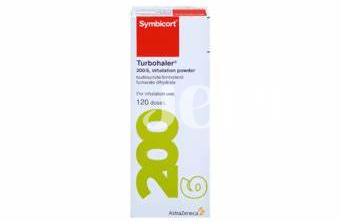
I learned the hard way that mouth placement matters; angling the lips incorrectly can send most of a symbicort dose to the cheek, not the lungs, wasting medicine unnecessarily altogether.
Place the mouthpiece between your teeth and seal with your lips; avoid biting. Keep your head neutral or slightly tilted back, not hunched, to open airways for better deposition consistently.
Aim the canister centrally; direct the spray toward the back of the throat, not the tongue. A tight lip seal ensures the medicine reaches lower airways consistently.
Never cover the vents or block airflow with your tongue; exhale fully before each dose and rinse your mouth after symbicort use. Small positioning tweaks reduce wasted puffs.
Cleaning and Care: Keep Your Device Working Well
Every week I take a moment to care for my inhaler, because a quick wipe and cap check can save a missed dose. Remove the mouthpiece, rinse under warm water for 30 seconds, let air-dry completely before replacing the cap. Never submerge the canister or use soap on the metal valve; that can clog the mechanism and reduce symbicort delivery.
Store it upright at room temperature, check the mouthpiece for debris before each use, and test sprays if unused for several days. Track doses on the counter and replace the inhaler when the indicator nears empty. Regular gentle cleaning preserves performance so each puff delivers the intended dose and keeps your breathing routine reliable daily.
| Item | Quick Tip |
|---|---|
| Mouthpiece | Wipe weekly and inspect |
| Drying | Air-dry completely before use |
| Storage | Keep upright at room temperature |
| Indicator | Replace when counter nears empty |
Track Usage: Recognize Warnings and When to Refill
I watch the little dose counter like a co‑pilot; it tells me when supply runs low. Note the start date and expiry so you don’t mistakenly use an outdated inhaler.
Set a simple phone reminder and check the counter weekly. Refill when numbers are low rather than waiting for a crisis and avoid missed doses.
Learn warning signals: more rescue inhaler use, persistent coughing, nighttime symptoms, or falling peak flow. These indicate your control is slipping and you should contact your clinician.
If technique is correct but relief is waning, refill immediately and review your action plan. Keep prescription records and bring concerns to appointments. and set refill reminders. FDA label NHS information